Equip Your Production
Build the system behind the hair work.
Built once. Owned by your organization. Reused production after production.
Texture Ready™ Production Readiness puts the planning, budget, intake, vendor, maintenance, and escalation infrastructure in place, with your team, and leaves it with you. Your people run it on this show and every one after.
Every Equip engagement includes 2 cohort seats. Training is required before the build begins.
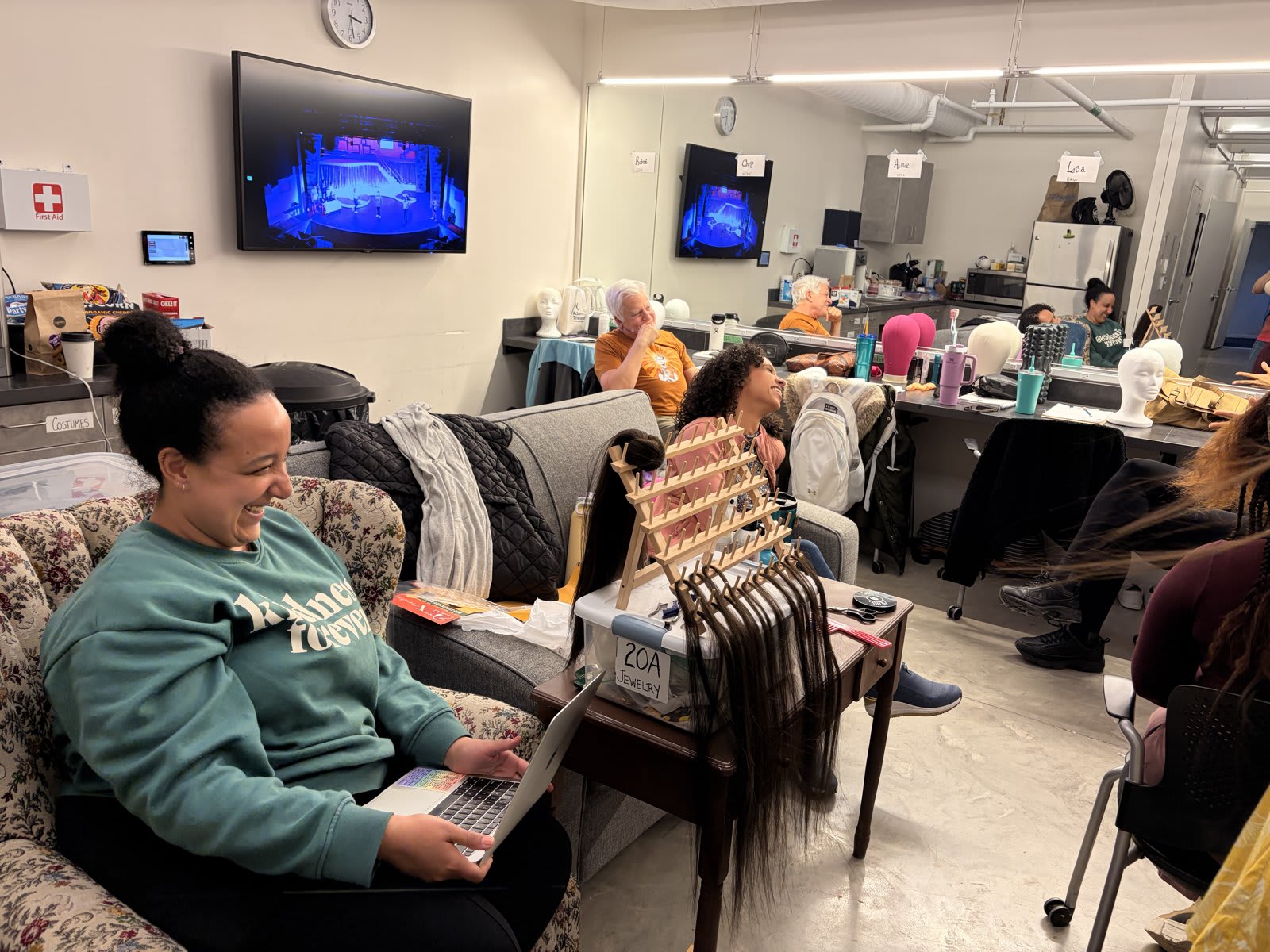
Hairspray · Umbrella Arts · 2026
Why a system
A stylist cannot personally create
a production.
You can hire the right person and still fail, because the things that decide whether hair goes well are not in the stylist's hands. They are in the budget, the schedule, the intake, the vendor list, the understudy plan, and the escalation path. When those don't exist, the gap lands on the performer.
Production Readiness builds them. Once.
- A realistic production budget
- Early performer intake
- Adequate call time
- A consent process
- Organizational vendor pathways
- An understudy and replacement protocol
- An escalation system
- Production accountability
What a stylist, however good, cannot build from the chair.
What gets built
Your toolkit.
Mapped to the standard.
Every instrument is built for your production, tailored to your cast, your agreements, and your calendar. Depending on scope:
Performer intake and consent
Hair status, type, boundaries, and allergies for every performer, delivered before design decisions and signed before the first hair call. A consent amendment sheet, because consent can change. Audition and casting-call language reviewed.
Per-performer hair plans
A documented plan for each role, developed with the designer and qualified hair team and agreed with the performer. Accounts for the hair underneath each wig, multi-role tracks, quick changes, swings, and covers. Designer sign-off and updates stay with the production.
Budget reserve and line build
A pre-casting planning reserve, refined with the designer and department leadership as casting and design are confirmed. The working budget accounts for labor, preparation, products, maintenance, restoration, and contingency around the design estimate. The tool supports planning; it does not override a designer's quote.
Vendor pathway
A documented process for identifying, reviewing, and contracting the expertise your production needs, with the relevant department leadership involved in evaluating specialist experience and suitability.
Scheduling, staffing, and the texture timeline
Preparation, install, maintenance, removal, and restoration accounted for in paid time and on the production calendar. Staffing and time estimates are developed with the hair department around the actual work, including replacements and swings.
Dressing room standard and chain of command
Lighting, tools, products stocked for the hair in the room, privacy, and a named stocking responsibility. Who decides what, and in what order, written down.
Continuity log and photo policy
Run-time tracking your team keeps, so what happened Tuesday is known Wednesday. A photo call and marketing policy agreed before the first camera.
Escalation card and pathway
A named route every performer and crew member knows: who receives a concern, who can pause the work, who documents it, and how the response reaches the performer. The hair department is inside the decision chain, with management and union escalation identified where applicable.
Post-run debrief
What worked and what didn't, fed back into the system so the next production starts further ahead than this one did. Plus the reference library: Textured Hair 101, Red Flags, and the Black Hair on Stage guide.
Film, TV, and commercial
The same instruments, configured for that cadence: pre-production, principal photography, pickups. Documentation suitable for legal and HR sign-off, and built around the 2023 TV/Theatrical and 2025 Commercials provisions your production already works under.
How it works
Train your people. Then build the system.
Required cohort training comes first. Then 3 build sessions turn the standard into your production's working system. We start from your current processes and agree a schedule around your readiness and production needs. We coach. Your team executes.
Training prerequisite
2 people trained before the build begins.
Every Equip engagement includes 2 seats in a shared Texture Ready™ cohort. Your designated participants complete the 6-hour curriculum and pass the credential assessment before the first Equip build session.
During scoping, we identify who will carry the standard into your production's day-to-day work and confirm their cohort dates. Participant selection connects production responsibility with hair-department expertise. The credential supports collaboration within those roles; it does not replace technical qualifications or department leadership.
Shared cohorts bring together participants from different organizations. Dates are confirmed during scoping, before we commit to your build schedule.
Intake
Your current processes are assessed against the 6 domains. We review your agreements, budget, calendar, and existing systems. The relevant designer and department leadership are involved from the start to establish requirements, responsibilities, and the sign-off sequence.
Check-in
Review the working build with your team and the relevant department leadership. Refine it against confirmed casting, design requirements, and production changes. Document designer sign-off as the per-performer plans develop.
Handoff
Every artifact walked through with your team, not emailed. Implementation plan signed. Review date set. You leave with Texture Ready™ Production Readiness, the checklist your team runs on every production from here.
Between the 3 build sessions: toolkit development, agreed production meetings, cast-list review, and the work of fitting the system to your existing process. Cohort training and assessment are completed before this build phase begins.
What production ready looks like
Hairspray at Umbrella Arts.
25 performers. Multiple textures, styles, maintenance needs, and production variables. The first production to run the system start to finish.
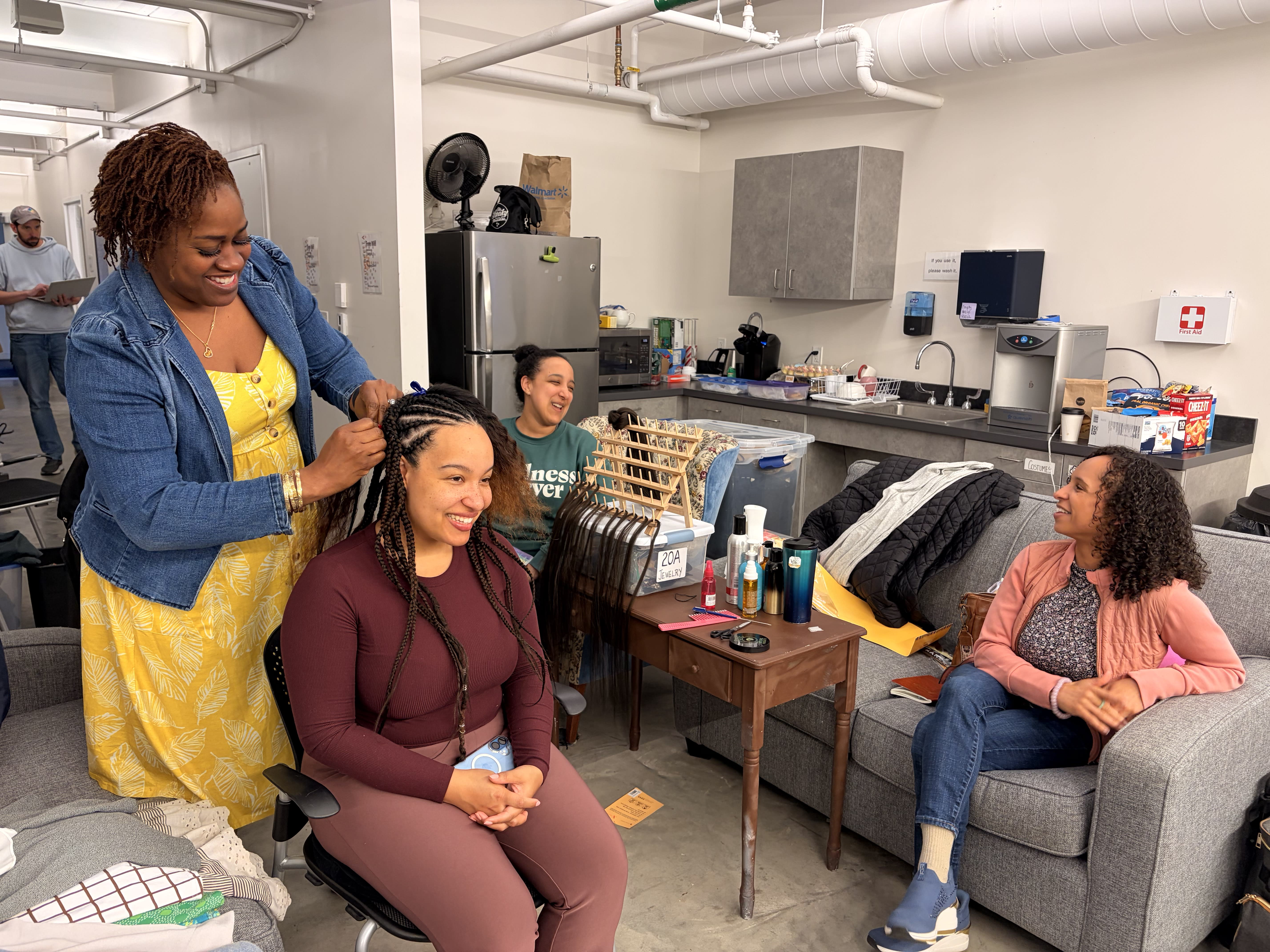

Before the first hair call, the production had
Intake and consent for all 25 · individual hair plans · staffing needs named · product and equipment planning · time on the schedule · a budget sized to the run · maintenance responsibilities assigned · stations and chain of command · escalation before a crisis
The system stays with your organization. Trained team members coordinate it with the designers, department heads, and qualified practitioners responsible for each production. Each new cast and design gets its own plans, sign-offs, and readiness review.
Investment
Priced to your
production, not your medium.
A small regional run and a Broadway transfer are both theater. A single commercial and a streaming season are both film. They are not the same scale, so they are not the same price. Theater tiers follow production budget. Film, TV, and commercial are always scoped.
Texture Ready™ Equipped
Every Equip engagement includes 2 shared-cohort seats and the credential assessment. Your designated participants complete the required training before the build begins.
The organizational Equipped mark requires the completed build and 2 active Texture Ready™ Credential Holders assigned to the work, together with the applicable organizational requirements. Booking seats or attending training alone does not confer the mark.
Need a private cohort for your wider team? The Full Standard combines private team training with the Equip build, from $19,500.
Production Readiness
Engagement
Equip Your Production
Investment · Theater
Included in every engagement: 2 shared-cohort seats and credential assessment.
Includes 2 cohort seats, the 6-hour curriculum and credential assessment for those participants, plus the production intake and readiness review, full toolkit build, check-in, and handoff with a signed implementation plan. Required training is completed before the build begins. Cohort dates and the build schedule are confirmed during scoping.
Scope Your Production →Timing
Mid-season is not too late.
It is just built differently.
The best time is before the season budget locks, so hair gets planned as a department. The second-best time is now. A mid-season engagement is built around your production calendar instead of ahead of it, and the system you leave with runs on every production after this one.
We confirm cohort availability and the required training sequence before committing to build dates. A scoping conversation can happen now; the build begins after the training prerequisite is met.
Build it before you need it.
30 minutes. Bring your agreements, cast size, and current hair plan. We identify the gaps, the people who will use the 2 included cohort seats, and a realistic sequence for training and the Equip build.
Scope Your Production →Not sure where to start? Bring what you have. · Making the case internally?